
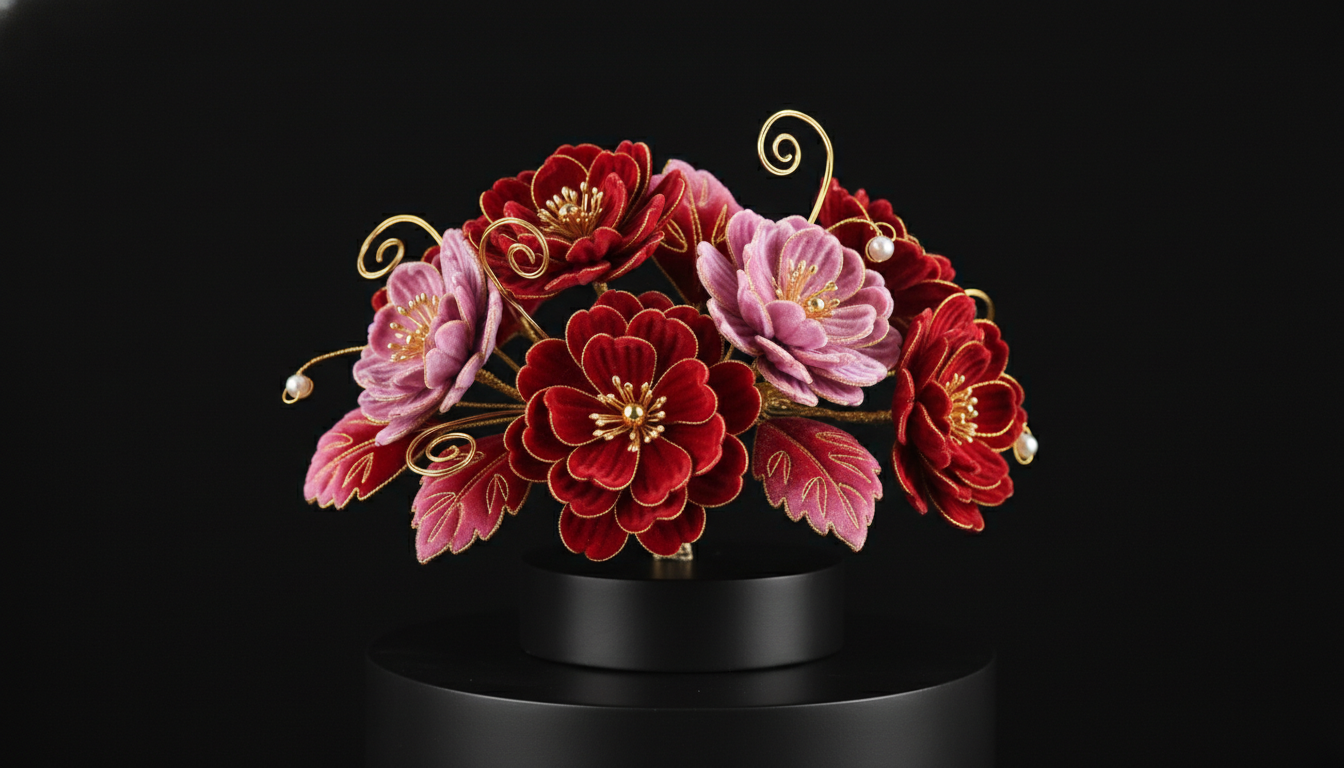
In the world of traditional crafts, few things capture the delicate balance between nature and artistry quite like Ronghua. Often referred to as “the flower that never fades,” these intricate velvet creations have adorned the hair of empresses and commoners alike for over a millennium.
What is Ronghua?
Ronghua (绒花) is a traditional Chinese handicraft where silk filaments are manipulated around fine wire to create lifelike flowers, birds, and ornaments. The name itself is a homophone for “prosperity” (荣华) in Chinese, making these pieces symbols of wealth and good fortune.
The Tang Dynasty: The Golden Age of Silk
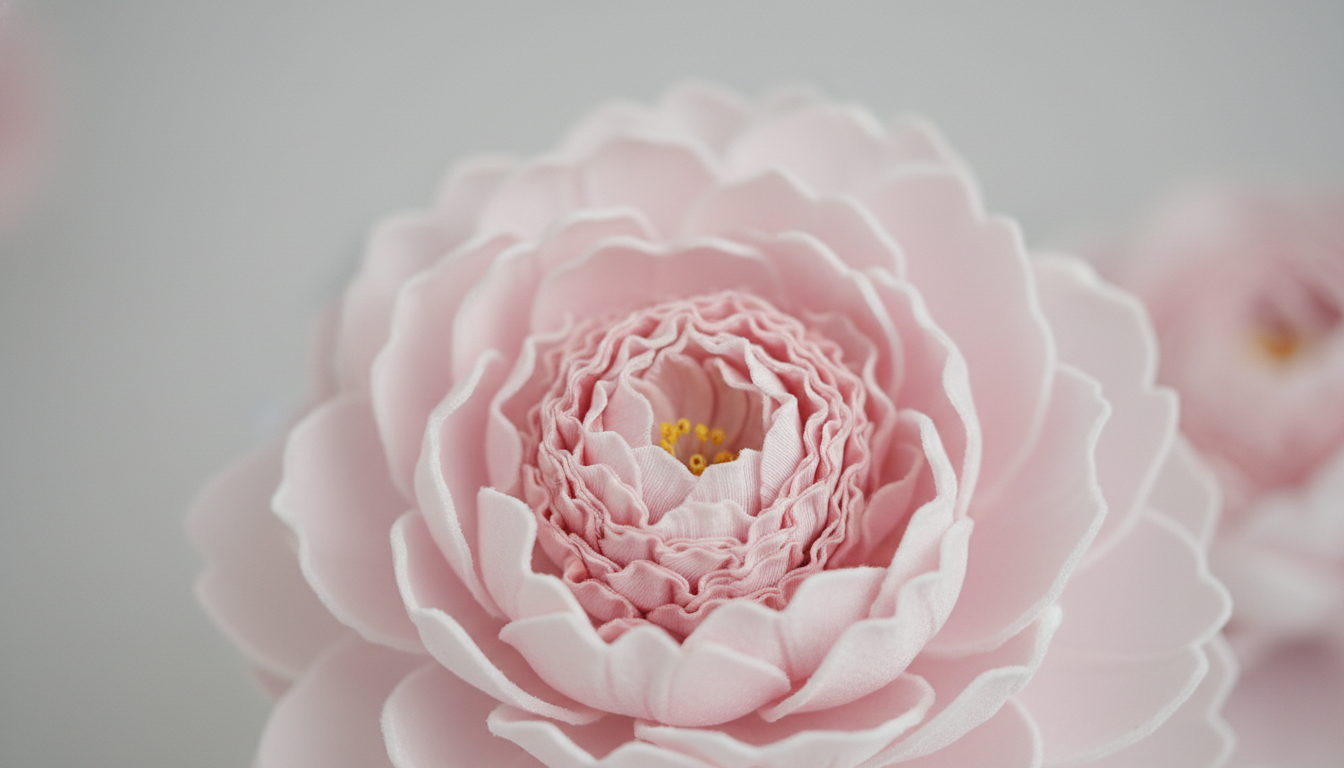
The history of Ronghua dates back to the Tang Dynasty (618–907 AD). It was during this period of immense cultural growth that the craft emerged in Nanjing, an ancient capital of China. Initially, these velvet flowers were exclusive to the imperial family.
Historical records suggest that Ronghua was listed as an imperial tribute during the reign of Emperor Xuanzong. The ladies of the court favored these velvet blooms over real flowers because they could capture the fleeting beauty of spring and preserve it throughout the seasons.
The Meticulous Craftsmanship
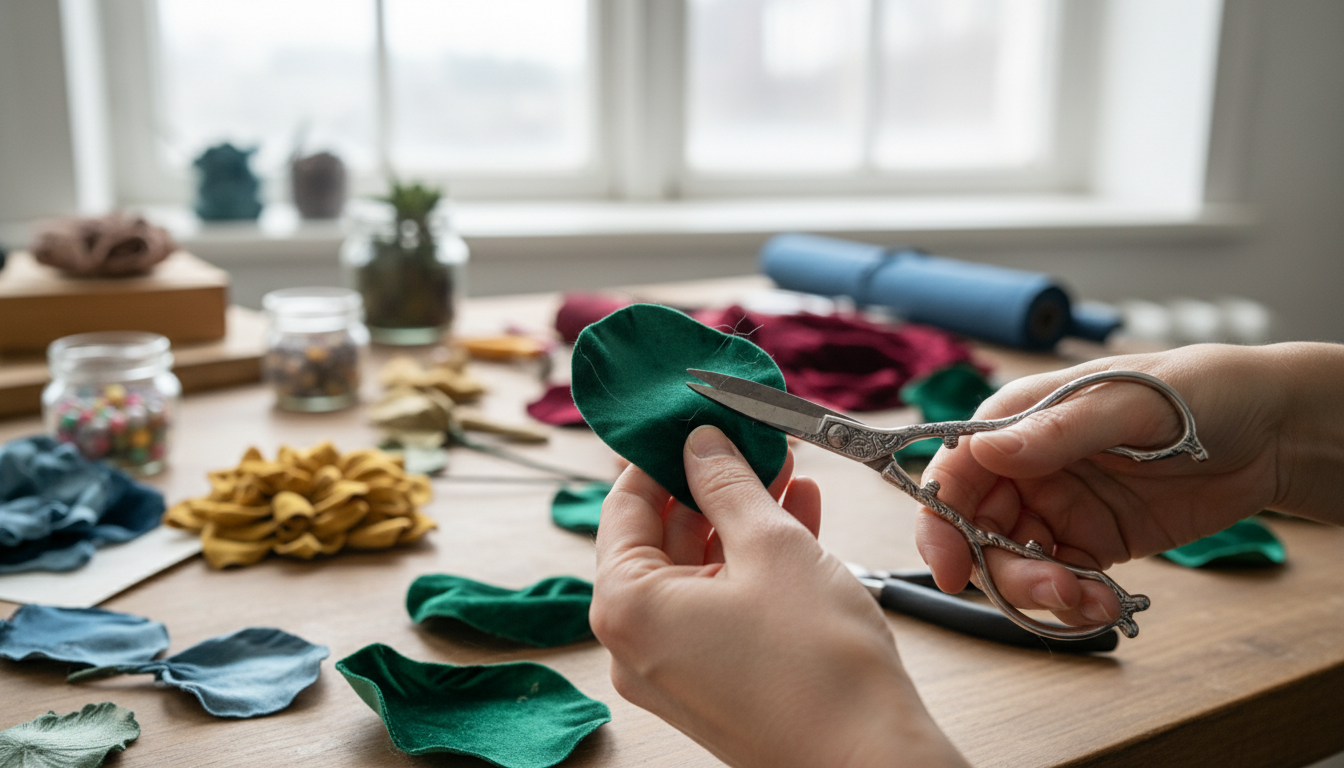
Creating a single Ronghua piece is a labor-intensive process that requires immense patience and skill. The craft involves several distinct steps that have remained largely unchanged for centuries:
- Silk Boiling: Raw silk is boiled and dyed into vibrant, lasting colors.
- Wire Brushing: Fine brass wires are used as the skeleton for the petals.
- Trimming: Artisans use specialized shears to trim the velvet into precise shapes.
- Assembly: The final components are twisted and woven together to form the flower.
Symbolism and Social Status
Beyond their aesthetic appeal, Ronghua flowers were deeply symbolic. Different blooms represented different virtues or wishes. For instance, the pomegranate flower symbolized fertility, while the chrysanthemum represented longevity and resilience.
“Unlike real flowers that wither in a day, Ronghua represents the eternal pursuit of beauty and the enduring spirit of Chinese craftsmanship.”
The Modern Revival
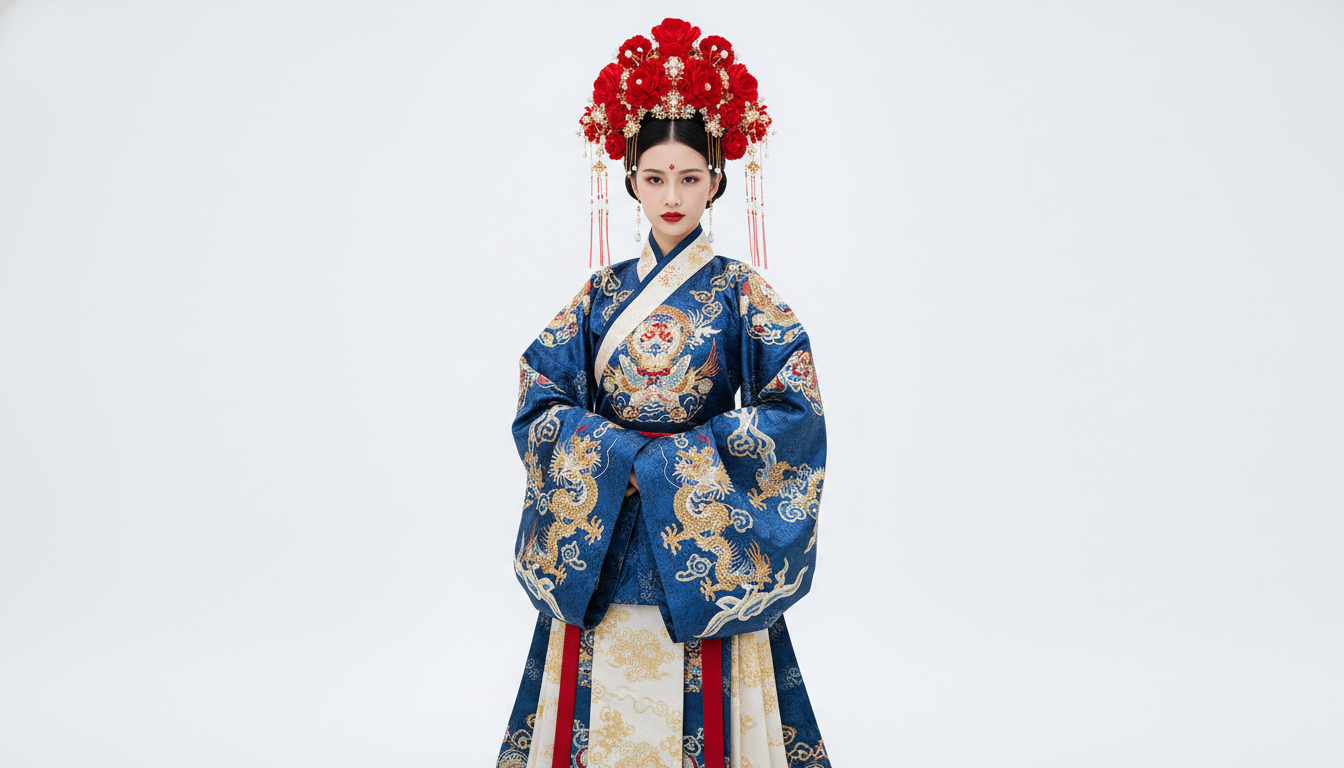
Like many traditional arts, Ronghua faced the threat of extinction during the industrial revolution. However, the craft has seen a massive resurgence in recent years, thanks in part to popular culture and the global interest in Hanfu (traditional Chinese clothing).
The 2018 hit drama Story of Yanxi Palace brought Ronghua back into the international spotlight. The show featured authentic velvet headpieces created by Zhao Shuxian, one of the few remaining masters of the Nanjing Ronghua tradition.
Sustainability and Slow Fashion
In an era of fast fashion, Ronghua offers a sustainable alternative. These pieces are made from natural silk and are designed to last a lifetime. They represent the “Slow Fashion” movement, where value is placed on the time and technique invested by the maker.
Conclusion
Ronghua is more than just a decorative accessory; it is a living history of Chinese aesthetics. As this ancient art finds its way into modern wardrobes and international galleries, it continues to prove that true beauty is indeed timeless.